Data as of 2026-11-27
What makes a foundation permanent
There is no single national checklist, but the definitions used by federal agencies and lenders share the same ideas. One federal rule, in 24 CFR Part 3282, describes a site-built permanent foundation as a system of supports, partly or wholly below ground, that:
- carries every load on the home into the soil or bedrock without failing;
- goes deep enough to prevent frost damage;
- is built of concrete, metal, treated wood or grouted masonry.
In practice that usually means poured concrete footings or a slab, piers or walls of concrete or mortared block, and the home's steel frame fastened to them. Common forms are a perimeter crawl-space wall, a slab with engineered piers, and a full basement.
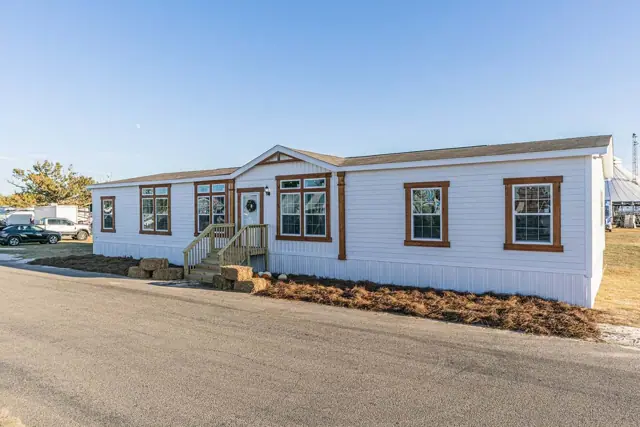
An ordinary installation on dry-stacked blocks with ground anchors can meet the federal installation standards and still not count as permanent for a lender.
Why lenders ask for one
A mortgage is a loan secured by real estate. For the home to count as part of the real estate, the lender wants it fixed to the land in a lasting way. A home that is not fixed this way is more often financed with a personal property loan, also called a chattel loan.
FHA Title II mortgages are a clear example. Under 24 CFR Part 203, a newly installed home must be:
- erected on a site-built permanent foundation and permanently attached to it by anchoring devices;
- free of its towing hitch, axles and wheels;
- enclosed underneath by continuous foundation-type construction;
- classified and taxed as real estate together with its site.
VA, USDA and conventional mortgage programs each set their own foundation rules, and individual lenders can add to them. Lenders commonly ask for a letter from a licensed engineer confirming that the foundation meets the program's standard. Get the requirement in writing before the foundation is built, because changing it afterward is much harder.
What it does not change
- The type of home. The federal definition covers homes used with or without a permanent foundation, and the steel frame stays underneath either way.
- The title. Converting the home from a personal property title to real property is a separate step with its own state process. Ask the county recorder or the state titling agency how it works where you live.
- Loan approval. The foundation is one condition among several. Approval also depends on the land, your finances and the program's other rules.
Planning for it
Choose your financing before you choose the foundation. Our quote builder uses a low-end pier foundation estimate, so budget separately if your lender needs an engineered permanent one. The financing page sets out the main loan types, and the double-wide homes collection is a common starting point for buyers placing a home on their own land.