Data as of 2026-11-27
What is printed on it
- The owner or owners.
- The home: its make, model year and serial number, and often its size.
- Any lienholder: the lender that financed the home, until the debt is paid.
- The state's own reference: a number and an issue date.
The serial number on the paper should match the home. You can find it on the data plate, a printed sheet inside the home that federal rule 24 CFR 3280.5 requires. The plate names the manufacturer, the serial number and the date of manufacture. When you buy a used home, compare the two before you pay.
One for each section in many states
A multi-section home is built and hauled as separate units, and each unit carries its own federal label and its own serial number or suffix. Many states therefore issue a separate document for each section, so a double-wide can come with two and a triple-wide with three. Other states issue one for the whole home. Where there are two, a sale needs both.
Who issues it
This varies by state. In many states it is the motor vehicle agency. In others it is a housing or manufactured housing agency, and a few use a different document altogether. Texas, for example, records ownership on a statement of ownership issued through its housing department.
A brand-new home does not start with a state document. The factory issues a manufacturer's certificate of origin, and that paper is handed to the state to obtain the first one in the buyer's name.
Liens and loans
When a home is financed on its own, the lender is recorded as lienholder. Once the debt is paid, the lender releases the lien and the owner can get a clean copy. The FHA Title I regulations, 24 CFR Part 201, accept a state certificate of title showing the lender's interest as evidence of the lien on an insured loan.
Buying, selling and replacing
- Sale: the seller signs the document over, and the buyer applies to the state agency for a new one. Fees and taxes on the transfer vary by state.
- Tax clearance: some states want proof that taxes on the home are paid before they will transfer it.
- Lost paper: the issuing agency can supply a duplicate to the owner on record.
- Home made part of the land: if the owner later converts the home to real estate, the state takes the document back under a separate procedure.
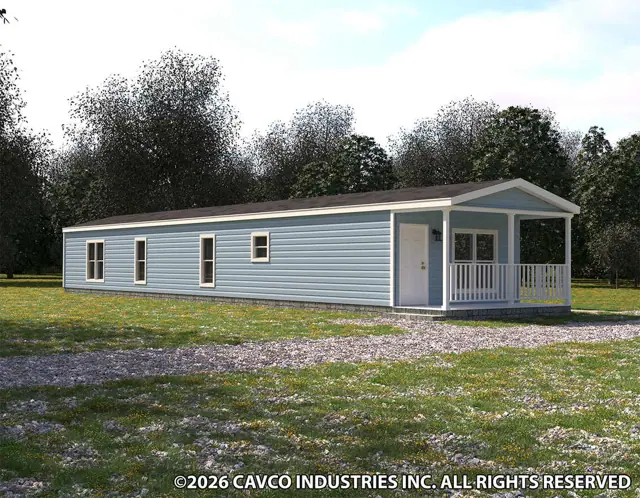
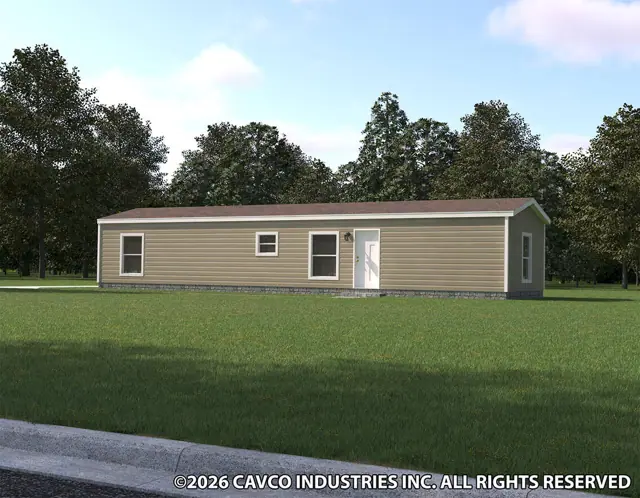
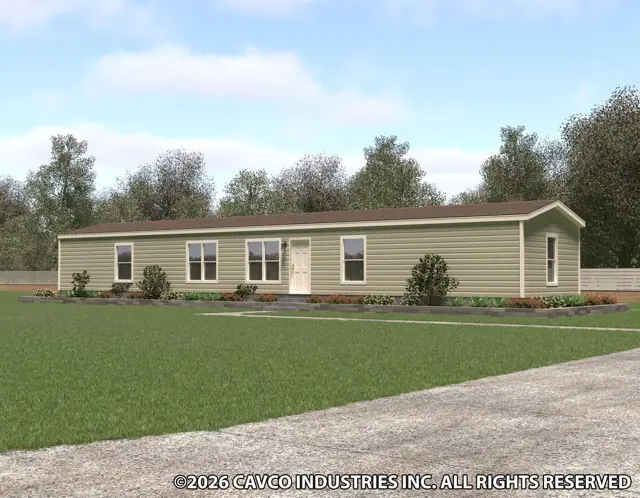
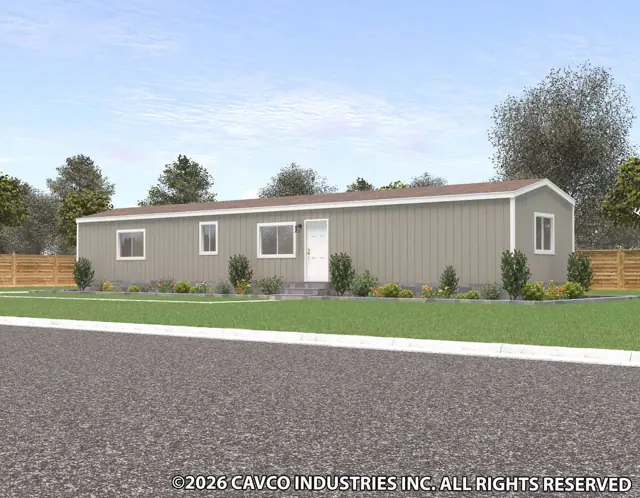
For a home ordered new, the retailer and the lender normally handle the first application. Every home in our manufactured homes collection, the single-wide homes among them, is built to the HUD Code, so it leaves the factory with the label and data plate a state agency will ask about.