Data as of 2026-11-27
What the payment is for
In a community you own the home and the community's owner owns the ground. The monthly charge is the price of using that ground. You may also see it called site rent, space rent, pad rent or ground rent. It normally pays for:
- The site itself: the pad, the yard around it and a place to park.
- Shared upkeep: streets, street lighting, drainage and common areas.
- Amenities: things like a clubhouse, laundry room or pool, if there are any.
- Certain services: water, sewer or trash pickup in some communities.
What stays separate
- The home loan: paid to the lender, not the community.
- Insurance on the home.
- Taxes on the home: how these are billed varies by state.
- Metered utilities: usually electricity and gas, and sometimes water.
- Upkeep of the home: repairs, skirting, steps and, in most communities, the yard.
What pushes it up or down
- Location: land in a busy metro area costs more to hold than land in a small town.
- The lot: a larger site for a multi-section home, or one on a corner or by water, is often priced higher than a standard one.
- Amenities and staffing: a gated community with a pool and on-site management has more costs to recover.
- Included services: a higher charge that includes water, sewer and trash can come out the same as a lower one that does not.
- Local rules: some states and cities limit increases or require written notice of them. This varies by state.
We give no figures here. The spread between communities is too wide for an average to be useful, and the manager can give you the current amount in writing.
How it changes over time
The lease sets the starting amount and says when it can rise. Before you sign, ask for:
- The increases over the last several years.
- The notice period for a new increase.
- Any pass-through charges, such as a share of the owner's taxes or utility costs.
- Late fees and what happens after a missed payment.
Fitting it into the budget
The true monthly cost of the home is the site charge plus the loan payment, insurance and utilities. Lenders usually count the site charge among your housing costs when they decide how much to lend.
The basics of a site should be in place whatever the price. As a marker, when a home on a leased park site is financed with an FHA-insured Title I loan, 24 CFR Part 201 has the lender confirm that the park meets standards for vehicle access, water supply, sewage disposal and utility connections.
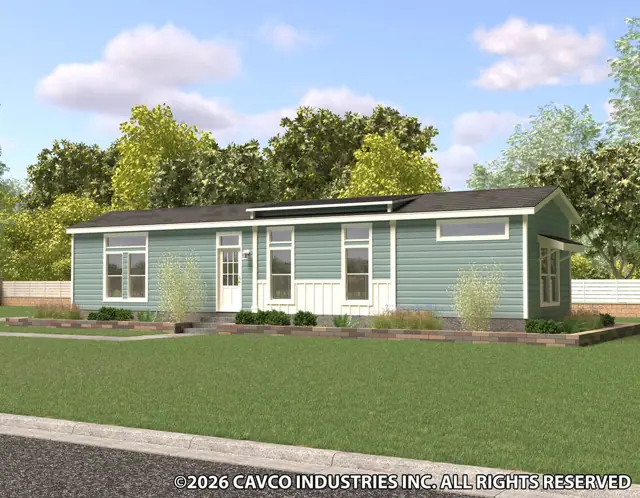
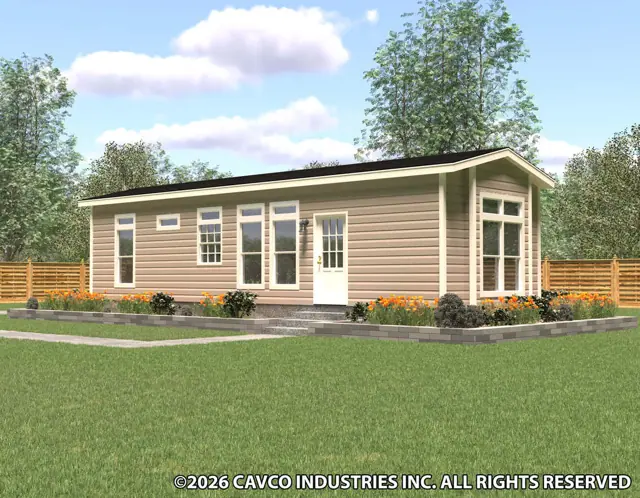
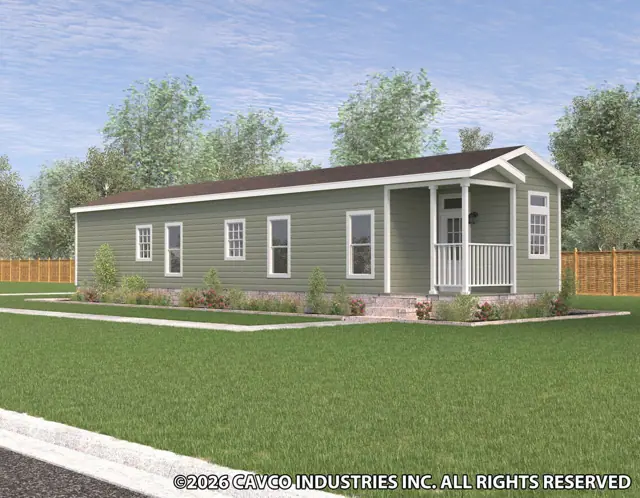
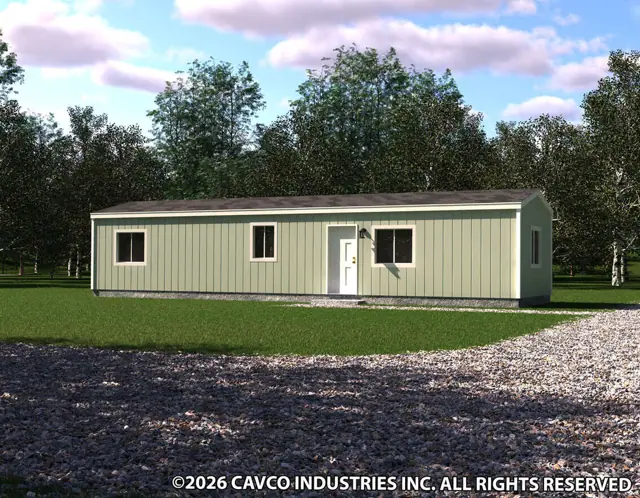
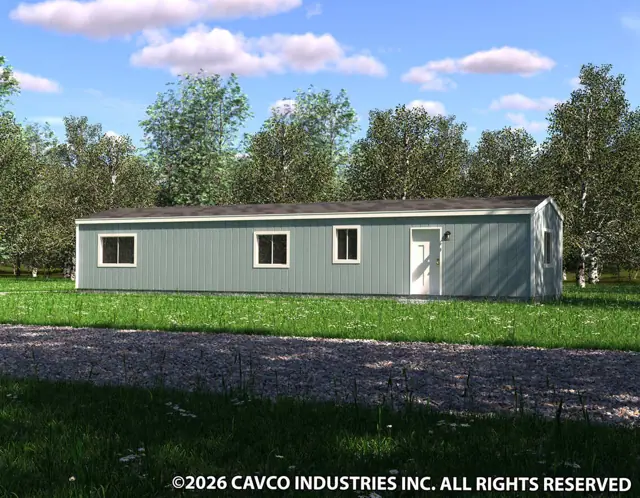
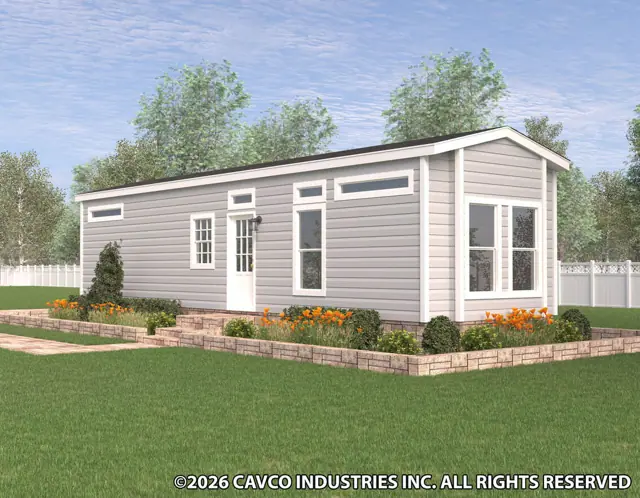
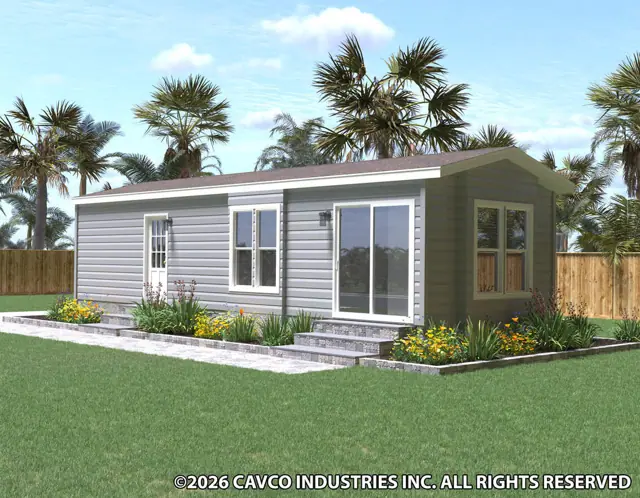
Our quote builder covers the home side: price, delivery by ZIP code, installation and a payment estimate. The site charge is not in it, so add the community's figure yourself. Ask the manager for the lot's dimensions, then see whether it suits the single-wide homes or has room for the double-wide homes.