Data as of 2026-11-27
Where the name comes from
CrossMod is a trade name used by the manufactured housing industry. It is not a legal category. In law the home is still a manufactured home: it is built in a factory on a permanent chassis to the standards in 24 CFR Part 3280 and carries the federal label on each section.
Despite the sound of the word, it is not a modular home. A modular home is built to the state and local building code. Our page on manufactured vs modular homes explains that line.
Features that set these homes apart
The exact list is set by each mortgage program, and a lender will go by the program's own wording. As the industry generally describes them, the homes have:
- A permanent foundation: often a lower-set one, so the floor sits closer to the ground as it does in a site-built house.
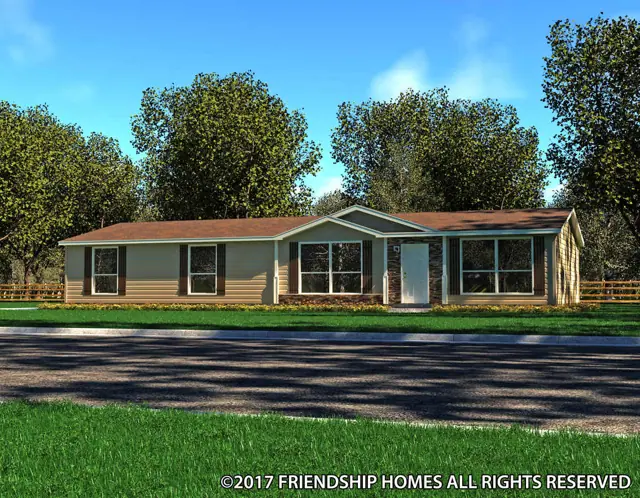
- A pitched roof with eaves: steeper than the low roofline many people picture on a manufactured home.
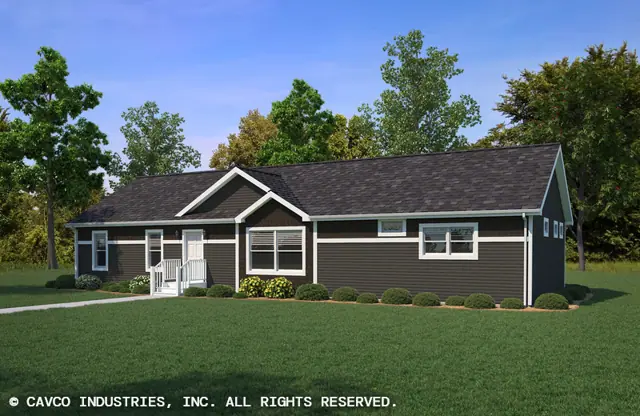
- A garage, carport or covered porch: usually added on site.
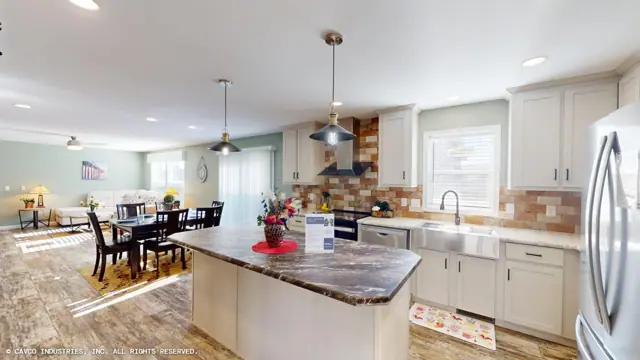
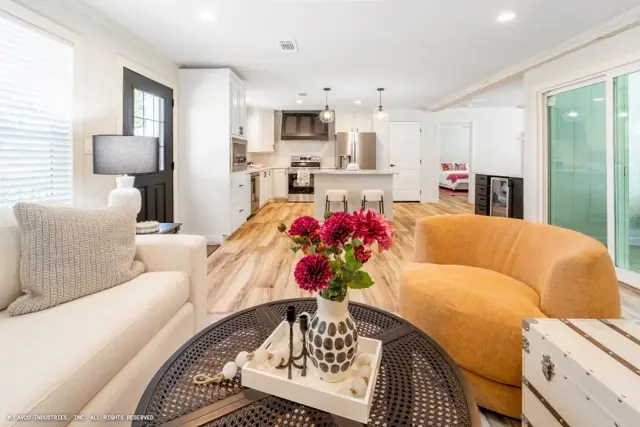
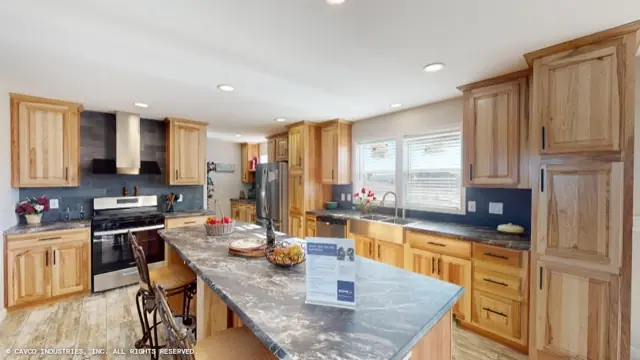
- Site-built style finishes: drywall inside, and full kitchen and bathroom cabinets.
- Energy-saving features: to the level the program asks for.
Why lenders treat them differently
The features exist so the home can be appraised and financed more like a site-built house. Freddie Mac's manufactured home page lists this kind of home alongside its CHOICEHome mortgage. Fannie Mae runs a comparable program under the name MH Advantage.
The same Freddie Mac page says manufactured homes must be “titled as real property and permanently affixed to a foundation” for a mortgage to be eligible for sale to it. So this kind of financing goes with land, a permanent foundation and a real estate title, not with a home kept as personal property.
The label is not a promise. It does not mean a buyer will be approved, get a particular rate, or see the home hold a particular value. The lender checks the factory's paperwork showing the home was built for the program, then applies its normal credit and appraisal rules.
How to shop for one
- Ask the factory first. Not every builder offers these specifications, and those that do offer them on certain floor plans only.
- Ask the lender second. Confirm which program it uses and what documents it needs before the home is ordered.
- Price the site work. The foundation, garage and porch are a large part of the job and are not in a home's base price.
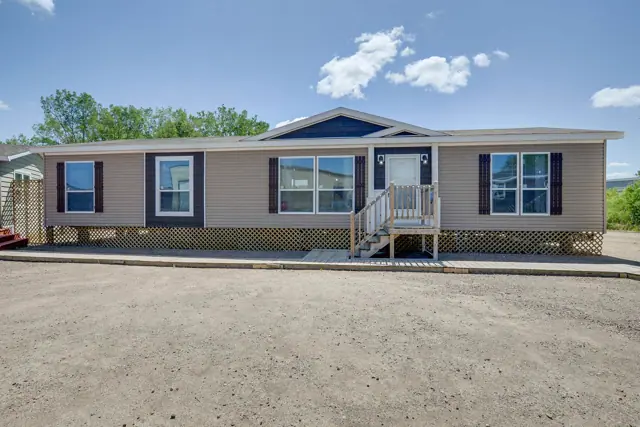
The double-wide homes and the homes with a porch are reasonable places to start, and the factory can say whether a given plan is offered to these specifications. Our financing page covers the loan types in plain terms.